Energy Crisis Brings Nuclear Power Back, Says IEA
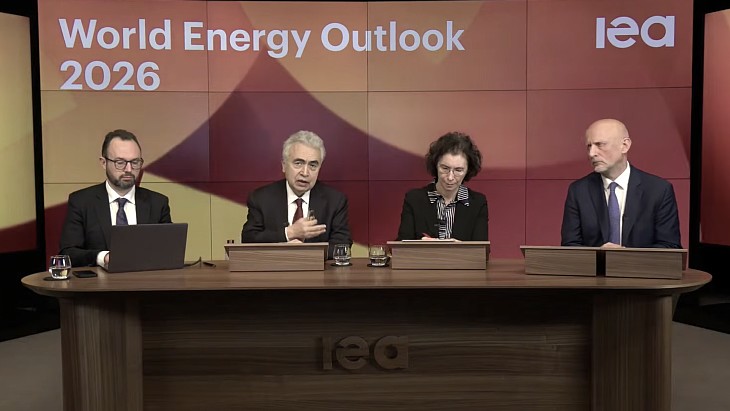
The global energy crisis is speeding up the comeback of nuclear power across the world. A new report from the International Energy Agency shows that governments are turning back to atomic plants for steady electricity. This shift comes as countries face high fuel costs and tight supplies.
Why is nuclear power making a comeback?
Many nations are facing deep worries about where their electricity will come from. Gas and coal have become costly and hard to secure in many places. Because of these huge shocks, leaders want sources of power that do not depend on foreign shipments. Nuclear plants can run day and night without stopping for weather conditions.
At the same time, governments want to cut down on smoke and carbon pollution. Burning coal and gas harms the climate, while atomic stations produce electricity without direct carbon emissions. Many leaders now see atomic plants alongside renewable energy like wind and solar power as a way to fix two problems at once.
What this means for ordinary families and bills
When power supplies run low, normal households feel the pain through higher utility bills. Modern life depends on constant electricity for heat, light, and everyday cooking. If power stations run short on fuel, costs spike quickly for everyone. A stronger mix in the wider energy industry can help shield people from sudden price spikes in fossil fuels.
Keeping homes warm and factories running requires steady baseload power every single day. If countries build reliable electricity networks, local businesses can stay open without fear of sudden blackouts. Over time, stable local power keeps regular jobs safer and helps family budgets stay predictable.
Key facts about the nuclear power comeback
The latest report highlights a major turning point for atomic energy after years of slow growth. Here are the main points to know about this change:
- The ongoing energy crisis is pushing governments to rethink their power plans.
- The International Energy Agency confirms that nuclear power is gaining fresh support.
- Countries want secure power supplies that do not depend on imported fossil fuels.
- Nations aim to cut carbon emissions while keeping their electrical grids running smoothly.
These points show how quickly global priorities can shift during a crisis. Ideas that seemed slow or unpopular a few years ago are now moving right back to the center of global planning.
What will happen next with global power plans
Building or extending the life of nuclear power stations takes a lot of time and money. Leaders must decide whether to keep older facilities running longer or invest in brand new stations. In the coming months, more governments will likely update their official energy targets to match these new goals.
The public will also watch how safety, costs, and waste management are handled by plant operators. Finding the right balance between speed, cost, and safety will be the main challenge for every country involved. The decisions made today will shape the world electrical supply for decades to come.


Comments
Post a Comment